
Anti-Inflammatory Sweet Potato Hash: A Sunrise in Beta-Carotene and Balance
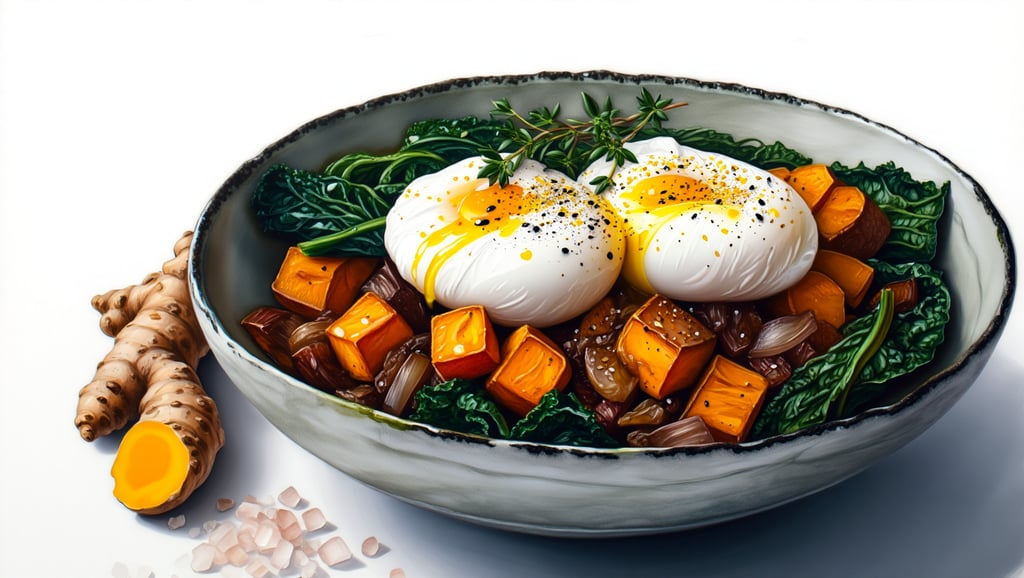
A vibrant anti-inflammatory breakfast featuring roasted sweet potatoes, kale, turmeric, and poached eggs. This golden hash delivers a symphony of antioxidants, omega-3s, and phytonutrients designed to soothe inflammation and nourish from the inside out.
THOUGHT FOR FOODNUTRITIONRECIPESANTI-INFLAMMATORYBREAKFASTS

Nutritional Overview
(per serving)
Calories: 285 kcal
Protein: 12 g
Fat: 15 g
Carbohydrates: 26 g
Fibre: 6 g
Sugars: 7 g
(Values approximate; based on olive oil and free-range eggs.)
Ingredients
(Serves 2)
2 medium sweet potatoes, peeled and diced
2 tbsp extra-virgin olive oil
½ red onion, thinly sliced
1 cup kale, roughly chopped
½ tsp ground turmeric
½ tsp smoked paprika
¼ tsp black pepper
Sea salt to taste
2 free-range eggs
Optional garnish: fresh thyme, avocado slices, or chilli flakes
Method
1. Roast the base:
Toss diced sweet potatoes with olive oil, salt, pepper, turmeric, and paprika. Roast at 200°C (400°F) for 20 minutes until golden and crisp-edged.
2. Sauté and combine:
In a skillet, heat a little olive oil. Sauté red onion until caramelised, then stir in kale and roasted sweet potatoes. Warm through and season to taste.
3. Poach with precision:
Poach eggs to a soft, glossy finish (about 3 minutes). Serve them atop the hash, yolk gently cascading over the golden vegetables.
4. Finish elegantly:
Top with thyme or avocado and a final drizzle of olive oil. Serve warm.
The Science of the Dish
Sweet Potato (Ipomoea batatas):
Rich in beta-carotene, vitamin C, and polyphenols, sweet potatoes support immune regulation and reduce oxidative stress. Their anthocyanins, particularly in orange and purple varieties, demonstrate strong anti-inflammatory and neuroprotective activity (Burri, 2011). The resistant starch they contain also aids beneficial gut bacteria.
Kale (Brassica oleracea var. sabellica):
Kale’s glucosinolates and flavonoids such as quercetin and kaempferol exhibit potent antioxidant and detoxifying actions (Ferreira et al., 2020). Its vitamin K and calcium content support bone and cardiovascular health, crucial in inflammation-related chronic disease prevention.
Turmeric (Curcuma longa):
Curcumin, turmeric’s principal bioactive compound, has been widely studied for its modulation of inflammatory pathways like NF-κB and COX-2 (Hewlings & Kalman, 2017). When paired with black pepper’s piperine, its bioavailability increases dramatically, making this golden spice both a culinary and medicinal cornerstone.
Olive Oil (Olea europaea):
The Mediterranean diet’s heart is built on olive oil. Its oleocanthal content exhibits anti-inflammatory effects comparable to ibuprofen by inhibiting cyclooxygenase activity (Beauchamp et al., 2005). Its monounsaturated fats enhance nutrient absorption, particularly of fat-soluble vitamins.
Eggs (Gallus gallus domesticus):
Eggs are a nutrient powerhouse, rich in choline, lutein, and zeaxanthin (compounds that protect cellular membranes and visual health). The protein matrix in eggs assists tissue repair and contributes to satiety, supporting metabolic balance in anti-inflammatory diets.
References
Beauchamp, G. K., et al. (2005). Phytochemistry: Ibuprofen-like activity in extra-virgin olive oil. Nature, 437(7055), 45–46.
Burri, B. J. (2011). Evaluating sweet potato as an intervention food to prevent vitamin A deficiency. Comprehensive Reviews in Food Science and Food Safety, 10(2), 118–130.
Ferreira, S. S., et al. (2020). Glucosinolates in kale: Nutritional and health-promoting aspects. Food & Function, 11(4), 2742–2753.
Hewlings, S. J., & Kalman, D. S. (2017). Curcumin: A review of its effects on human health. Foods, 6(10), 92.
Artistic interpretation - details may differ from the actual.