
Crispy Skin Salmon with Lemon Dill Cream Sauce: A Keto Omega-3 Powerhouse
A luxurious keto salmon recipe with crispy skin and a silky lemon dill cream sauce, rich in omega-3 fats and low in carbs for a perfect keto-friendly dinner.
THOUGHT FOR FOODNUTRITIONRECIPESKETO & LOW-CARB
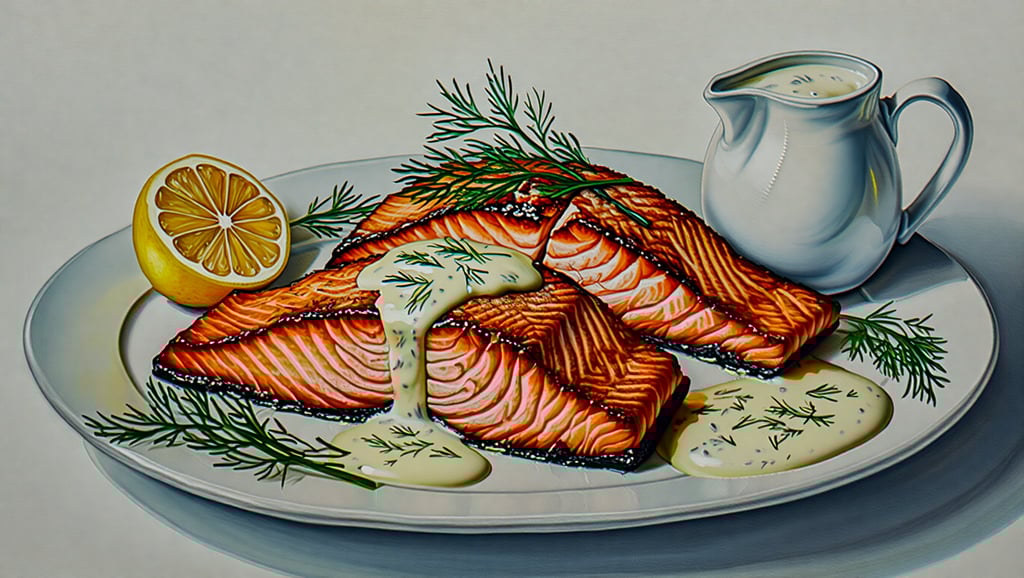
Salmon has long been hailed as the darling of the wellness world, and in keto kitchens, it becomes even more of a superstar. With its golden crackling skin and melt-in-your-mouth flesh, salmon offers an unrivalled dose of omega-3 fatty acids, which support heart health, reduce inflammation, and complement the high-fat, low-carb ethos of ketogenic eating (Kris-Etherton et al., 2002).
This dish takes salmon from simple to celebratory. The skin is rendered until crisp and salty, then the fish is finished with a creamy lemon dill sauce that marries tang with herbal freshness. It is elegant enough for dinner parties yet simple enough to whip up midweek, while keeping macros firmly in the keto camp.
The secret here lies in fat management. Pan-searing salmon in olive oil creates a crisp crust, while double cream provides the lush body in the sauce. Dill contributes antioxidants and polyphenols that elevate the nutrient profile without disturbing ketosis (Shahidi & Ambigaipalan, 2015). This is keto done right: indulgent, balanced, and backed by science.
Ingredients
(Serves 2)
2 salmon fillets, skin-on, 180 g each (6.3 oz)
2 tbsp olive oil (30 ml / 1 fl oz)
60 ml (¼ cup) double cream (heavy cream)
1 tbsp unsalted butter (15 g / 0.5 oz)
Juice of ½ lemon (15 ml / 0.5 fl oz)
1 tsp lemon zest (2 g / 0.07 oz)
1 tbsp fresh dill, finely chopped (3 g / 0.1 oz)
Sea salt, to taste
Freshly ground black pepper, to taste
Method
Prepare the salmon: Pat the salmon fillets dry with kitchen paper and season the skin side generously with salt. This will help draw out moisture and promote crispness.
Cook the salmon: Heat the olive oil in a non-stick pan over medium-high heat until shimmering. Place salmon fillets skin-side down and press gently with a spatula to prevent curling. Cook for 5–6 minutes without moving, until the skin is golden and crisp. Flip and cook for an additional 2–3 minutes depending on thickness. Remove and keep warm.
Make the sauce: In the same pan, reduce the heat to low. Add butter, cream, lemon juice, lemon zest, and chopped dill. Whisk gently until smooth and slightly thickened, about 2 minutes. Season to taste.
Serve: Plate the salmon fillets skin-side up to preserve crispness. Spoon the lemon dill cream sauce over or beside the fish, depending on your plating preference.
Nutritional Information
(per serving)
Calories: 590 kcal
Protein: 39 g
Fat: 47 g
Carbohydrates: 2 g
Fibre: 0 g
Net Carbs: 2 g
Why It Fits the Keto Diet
This dish balances high-quality protein with a strong emphasis on fats, both saturated and unsaturated. The omega-3 fatty acids in salmon, particularly EPA and DHA, are crucial for supporting cardiovascular health and reducing systemic inflammation (Calder, 2017). Olive oil and butter provide ketogenic fats that help sustain ketosis, while cream delivers energy-dense dairy fats without tipping carb counts. Dill and lemon bring antioxidants and brightness without carbohydrate penalties.
Clinical studies highlight the anti-inflammatory benefits of omega-3s, including lowering triglycerides and supporting cognitive function (Kris-Etherton et al., 2002). When combined with the ketogenic metabolic state, the nutritional synergy of this dish makes it a gold standard for keto pescatarians and omnivores alike.
Serving and Plating Suggestions
Serve on a warmed white plate with the sauce spooned in a crescent moon shape beside the salmon. Garnish with an extra sprig of dill and a thin slice of lemon. For sides, consider sautéed spinach in olive oil, roasted asparagus, or cauliflower mash.
Variations
Replace dill with tarragon for a French-inspired twist.
Add a touch of capers to the sauce for briny contrast.
Swap salmon for trout or sea bass while keeping the same method.
References
Calder PC. Omega-3 fatty acids and inflammatory processes: from molecules to man. Biochem Soc Trans. 2017;45(5):1105–1115.
Kris-Etherton PM, Harris WS, Appel LJ. Fish consumption, fish oil, omega-3 fatty acids, and cardiovascular disease. Circulation. 2002;106(21):2747–2757.
Shahidi F, Ambigaipalan P. Phenolics and polyphenolics in foods, beverages and spices: Antioxidant activity and health effects. J Funct Foods. 2015;18:820–897.
Artistic interpretation - details may differ from the actual.