Reiki: Energy Healing Through Gentle Touch
A comprehensive guide to Reiki. Learn how this Japanese energy therapy promotes relaxation, emotional balance, and holistic wellbeing through gentle touch and energy flow.
RADIANCE & RESILIENCEWELLNESSSPA TREATMENTSMASSAGES

Reiki is a subtle, non-invasive therapy that works with the body’s energy system to promote relaxation, balance, and wellbeing. Unlike traditional massage, it does not manipulate muscles or fascia but instead involves a practitioner placing their hands lightly on or just above the body to channel energy. For those who seek restoration on a deeper, more ethereal level, Reiki offers a serene and calming experience.
The Origins of Reiki
Reiki originated in Japan in the early twentieth century, developed by Mikao Usui. It is rooted in ancient healing traditions, combining spiritual awareness with a hands-on energy technique. Practitioners believe that life energy, known as ki, flows through the body, and disruptions or blockages in this flow can lead to stress, fatigue, or illness. Reiki aims to restore this energy balance, supporting the body’s innate ability to heal.
While spiritual in origin, Reiki has been widely adopted in wellness and clinical settings worldwide, often complementing conventional medical care. It emphasises intention, mindfulness, and a gentle approach to healing rather than physical manipulation.
The Science of Energy and Touch
Reiki’s mechanisms are subtle, and while scientific research is ongoing, studies suggest it can reduce stress, anxiety, and perceived pain, possibly through activation of the parasympathetic nervous system. The therapy encourages deep relaxation, which may lower heart rate, reduce muscle tension, and improve overall wellbeing.
Although energy flow is difficult to quantify, clients consistently report feeling calmer, lighter, and more centred after a session. The practice encourages mindfulness and a sense of inner balance, aligning emotional, mental, and physical states.
The Experience
A Reiki session usually takes place on a massage table with the client fully clothed. The practitioner places their hands gently on or slightly above the body in a series of positions, holding each for several minutes. The pressure is minimal, and the focus is on facilitating the flow of energy.
Clients often experience warmth, tingling, or a sense of lightness. The session is meditative, fostering deep relaxation while subtly energising the body. Many describe feeling more centred, emotionally balanced, and physically relaxed. Sessions can last from thirty minutes to over an hour, depending on individual needs.
Benefits of Reiki
Reiki is reported to reduce stress, enhance relaxation, improve mood, and support emotional healing. Some clients use it alongside medical treatments to manage pain, fatigue, or anxiety. Its non-invasive nature makes it accessible to nearly everyone, including those who may be sensitive to touch or recovering from injury.
Reiki encourages self-awareness and mindful presence, providing benefits that extend beyond the treatment room. It can complement other massage or therapeutic modalities for holistic wellness.
Precautions and Considerations
Reiki is generally considered safe and non-invasive, with no reported adverse effects. It should not replace medical treatment for serious conditions but can be used as a supportive complementary therapy. Clients are encouraged to remain hydrated and practice mindfulness or gentle stretching afterwards to integrate the effects.
Comparisons and Context
Reiki differs from all previously discussed massage techniques in that it does not rely on mechanical manipulation or pressure. Compared with deep tissue, sports, or myofascial massage, it is entirely subtle, prioritising energy balance over muscular release. For those seeking calm, mental clarity, and spiritual restoration, Reiki is uniquely suited.
The Verdict
Reiki is a quiet, contemplative therapy that nurtures mind, body, and spirit. It restores energy flow, reduces stress, and fosters a deep sense of calm. Clients leave with a heightened awareness of their own energy, feeling both rejuvenated and serenely aligned, a gentle reminder that healing can be subtle as well as profound.
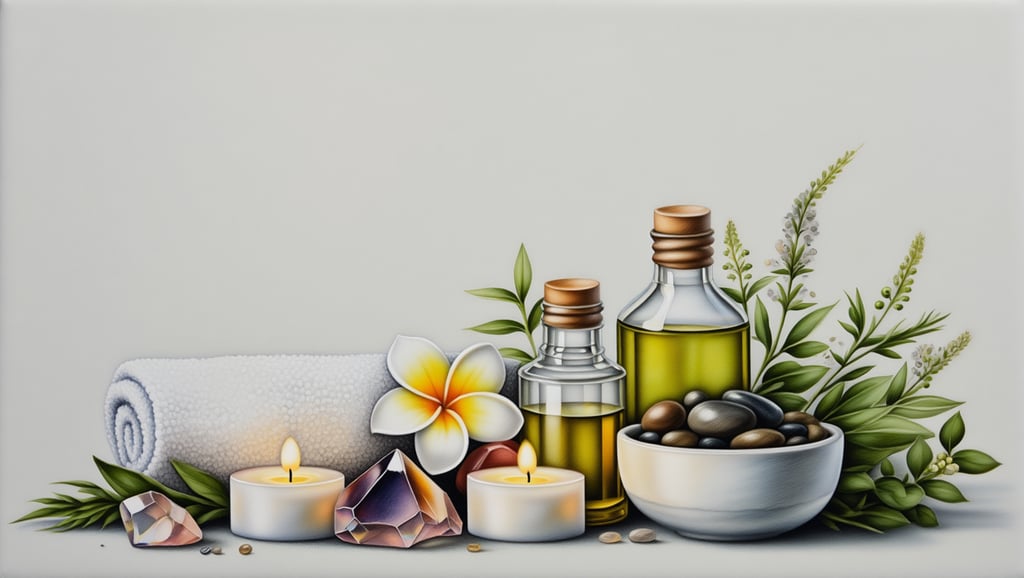
Artistic interpretation - details may differ from the actual.