
Saffron–Orange Blossom Tonic: The Aromatic Elixir of Antiquity
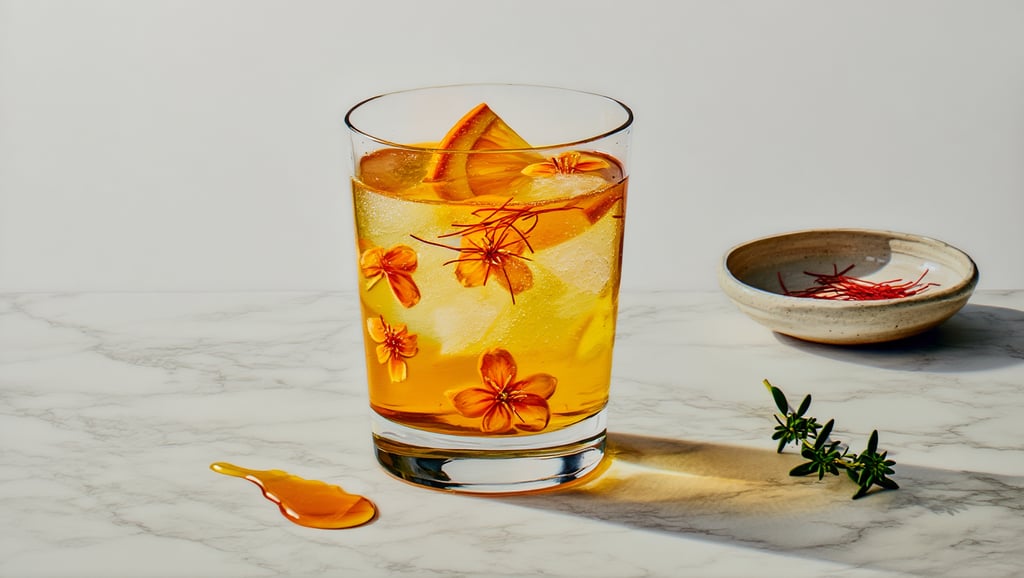
A radiant fusion of saffron, orange blossom, and honeyed citrus, this Mediterranean Saffron–Orange Blossom Tonic channels centuries of spice routes and sunshine. Lightly floral, gently bitter, and rich in antioxidants, it’s ancient wellness disguised as modern elegance.
THOUGHT FOR FOODNUTRITIONRECIPESMEDITERRANEAN DIETBEVERAGES
Nutritional Overview
(per serving)
Calories: 35 kcal
Protein: 0.3 g
Fat: 0 g
Carbohydrates: 9 g
Sugar: 8 g (from raw honey)
(Values approximate; based on unsweetened preparation.)
Ingredients
(Serves 2)
500 ml (2 cups) filtered water
6–8 saffron threads
½ tsp orange blossom water
1 tsp raw honey (optional)
Juice of ½ small orange
Ice cubes and orange peel twists to serve
Method
Infuse the luxury: Warm 100 ml of water and steep saffron threads for 10–15 minutes to extract colour and aroma.
Build the base: In a jug, combine the saffron infusion, remaining water, orange juice, and orange blossom water. Stir gently.
Sweeten and chill: Add honey if desired and refrigerate until cool.
Serve in style: Pour over ice and garnish with orange peel and a single saffron thread.
The Science of the Beverage
Saffron (Crocus sativus):
This royal spice, derived from the stigmas of the saffron crocus, contains crocin, crocetin, and safranal - compounds linked to improved mood, reduced oxidative stress, and neuroprotective effects (Lopresti & Drummond, 2014). Its vivid golden hue signals potent carotenoid activity, offering cellular protection and anti-inflammatory support.
Orange Blossom Water (Citrus aurantium):
Distilled from the flowers of bitter orange, orange blossom water provides trace phytonutrients and an elegant aromatic complexity. Linalool, one of its key volatile components, is associated with calming and anxiolytic effects (Linck et al., 2010), making this tonic as relaxing as it is refreshing.
Honey (Mel):
Raw honey contributes natural sweetness and a variety of phenolic compounds that exhibit antimicrobial and antioxidant properties. Studies suggest honey’s bioactive molecules, such as chrysin and pinocembrin, support immune function and gut health (Bogdanov et al., 2008).
Orange (Citrus sinensis):
Beyond its vitamin C content, orange juice supplies hesperidin and naringenin, flavonoids that promote vascular health and reduce inflammation (Silva et al., 2015). In moderation, it adds both brightness and function to the Mediterranean diet’s celebrated synergy of flavour and science.
References
Bogdanov, S., et al. (2008). Honey for nutrition and health: A review. Journal of the American College of Nutrition, 27(6), 677–689.
Linck, V. M., et al. (2010). Inhaled linalool-induced sedation in mice. Phytomedicine, 17(8–9), 679–683.
Lopresti, A. L., & Drummond, P. D. (2014). Saffron (Crocus sativus) for depression: A systematic review of clinical studies. Journal of Integrative Medicine, 12(6), 386–395.
Silva, M. M., et al. (2015). Flavonoids of citrus fruits: A review of antioxidant activity and health benefits. Food Reviews International, 31(2), 169–188.
Artistic interpretation - details may differ from the actual.