
Thai Massage: The Art of Being Folded into Enlightenment
An elegant deep-dive into the art of Thai massage. Learn its ancient origins, how it works, and why this temple-born therapy remains one of the most transformative spa experiences of all time.
RADIANCE & RESILIENCEWELLNESSSPA TREATMENTSMASSAGES

There are few spa experiences quite as humbling as Thai massage. You arrive expecting tranquillity, perhaps a soft pillow and whale music, and instead find yourself being gracefully folded into positions that resemble a yoga class taught by a benevolent acrobat. Yet somewhere between the twisting, pressing, and gentle persuasion of limbs, a strange serenity emerges. It is not the spa treatment you expect. It is the one your body has been secretly begging for.
An Ancient Philosophy in Motion
Thai massage, or Nuad Boran, dates back more than two millennia. It was developed in Buddhist temples, credited to Jīvaka Komarabhacca, the physician of the Buddha himself. Unlike most modern massage forms, it was never merely about pampering. It was spiritual medicine… movement as meditation, anatomy as prayer.
The practice combined Ayurvedic healing with acupressure and yoga principles. Monks performed it as part of their devotion, believing that when the body is free of tension, the mind can follow. Today, the ritual has traded temple floors for spa studios, but its core remains a dance between movement, stillness, and mindful touch.
The Science of Stretching Gracefully
While ancient healers spoke of Sen lines, energy pathways that weave through the body, modern science offers a more physiological explanation. Thai massage involves rhythmic compression, assisted stretching, and joint mobilisation. The combination boosts blood flow, releases muscular tension, and activates the parasympathetic nervous system, which tells your body to stop bracing for doom.
The long, deliberate movements gently stretch fascia and muscle tissue, increasing flexibility and improving mobility. Studies have shown that regular Thai massage can reduce chronic pain, improve range of motion, and lower stress hormones. It is less mystical than miraculous anatomy management.
The Experience
Forget the massage table. You lie on a padded mat, fully clothed in loose garments, while the therapist moves around you in quiet concentration. They apply pressure using their palms, thumbs, knees, and sometimes even feet. What begins as firm but polite pressing soon transforms into elegant contortion. Your back arches, legs extend, shoulders rotate, and the word “relax” feels momentarily optimistic.
Then, slowly, the rhythm takes hold. The movements are measured, deliberate, almost hypnotic. It feels as though someone is gently re-tuning your body by loosening muscles, coaxing joints, and reminding you that breathing is non-negotiable. By the end, you feel taller, lighter, and faintly astonished that you survived it with grace.
The Advantages of Being Rearranged with Precision
Thai massage is an education in body awareness. It teaches the muscles humility and the mind stillness. It improves posture, boosts circulation, and restores energy balance in ways that no scented candle could hope to achieve.
It is also remarkably energising. While many massages lull you to sleep, this one leaves you alert but serene, as if someone has tidied your nervous system. For those who spend their days bent over keyboards, it feels like pressing a reset button on posture and sanity.
A Few Sensible Cautions
Thai massage is not a treatment for every body. Those with recent injuries, joint problems, or conditions affecting circulation should consult a professional before booking. The therapist’s skill is essential, as too much force or incorrect positioning can turn bliss into discomfort. A qualified practitioner will always adjust the stretches to your flexibility rather than testing your pain threshold.
Modern Variations
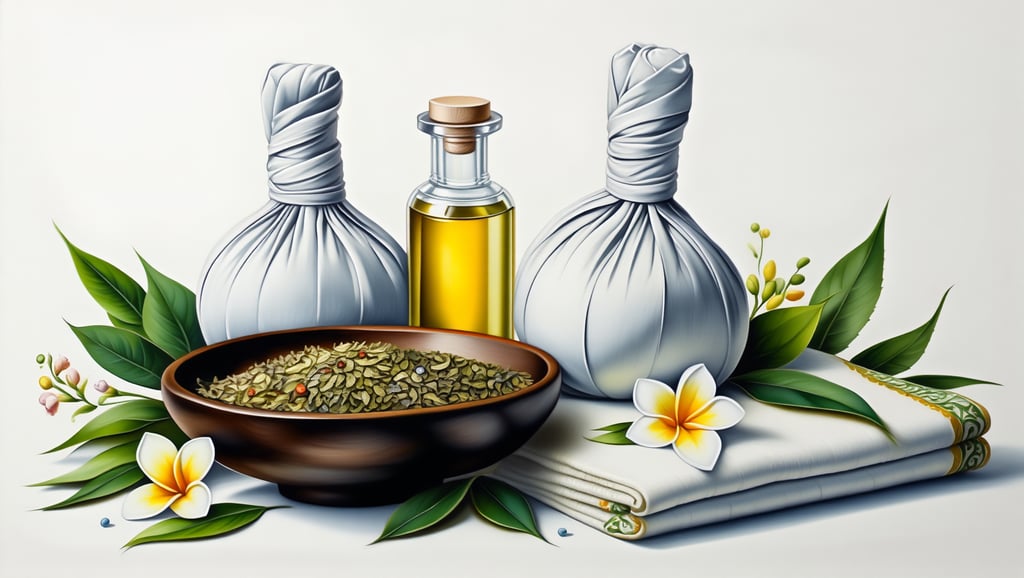
Today’s spas have adapted Thai massage into various hybrids. Some introduce warm oils to soften the intensity. Others use heated herbal compresses filled with lemongrass and camphor to add an aromatic dimension. Urban wellness studios now offer “table Thai,” where elements of traditional technique are combined with Swedish or deep tissue work. The essence remains unchanged: movement as medicine, precision as peace.
The Verdict
A Thai massage is not so much a treatment as a conversation between body and therapist, spoken fluently in stretches and stillness. It restores balance not through indulgence but through deliberate engagement with every joint and muscle. By the end, you rise slowly, sip herbal tea, and realise that you are standing differently - not just physically, but perceptually.
It is the kind of therapy that leaves you quietly grateful for your own anatomy and slightly suspicious that enlightenment may, in fact, be physical.
Artistic interpretation - details may differ from the actual.