
The Swedish Massage: The Art of Persuading Muscles to Behave
Discover the art of the Swedish massage. Explore its history, benefits, techniques, and why it remains the gold standard of spa relaxation, all delivered with wit, science, and a touch of indulgent humour.
RADIANCE & RESILIENCEWELLNESSSPA TREATMENTSMASSAGES
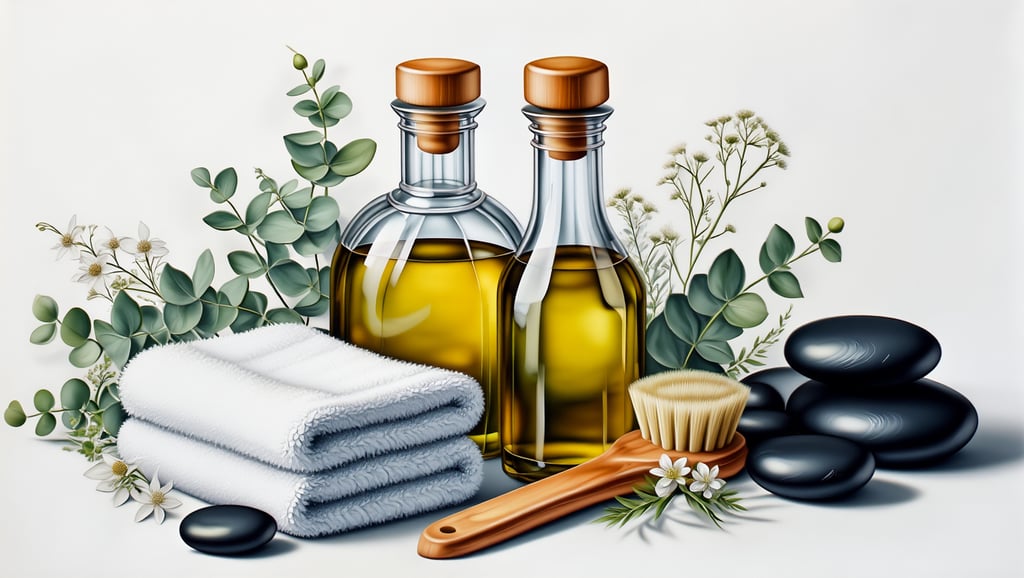

If modern life is a constant arm-wrestle with tension, the Swedish massage is the art of surrender. It is the most classic, dependable, and surprisingly democratic of spa treatments: no chanting, no moon rituals, just steady hands coaxing muscles into a truce.
A Brief History of Being Kneaded
The Swedish massage was developed in the 19th century by Per Henrik Ling, a Swedish fencing instructor who decided that sore muscles deserved more than stoicism. His structured techniques, once used to treat sports injuries, became the basis of what we now recognise as modern Western massage. What began as medical gymnastics evolved into a global symbol of calm competence, served in spas from Stockholm to Sydney with a side of cucumber water and soothing pan flutes.
The Science of the Soothe
A proper Swedish massage is not merely a long nap with ambient music. It involves five primary techniques: effleurage (long sweeping strokes), petrissage (kneading and rolling), friction (deep circular movements), tapotement (rhythmic tapping), and vibration (gentle shaking). Each move serves a distinct physiological purpose, from improving circulation and oxygen flow to stimulating the lymphatic system.
The process gently lowers cortisol levels, improves serotonin and dopamine production, and generally persuades your nervous system to stop panicking about that unread email count. It is the kind of physical diplomacy that makes you wonder why you ever tried to self-soothe with scented candles alone.
The Experience
A Swedish massage begins with warm oil and cooler intentions: to calm, untangle, and mildly reintroduce you to your own spine. The therapist glides in steady rhythm, pressing out knots and coaxing tight fibres to release their grievances. It is both mechanical and meditative, a reminder that the body can be reasoned with if spoken to in fluent knead.
The sensation is not merely about relaxation; it is about reset. Blood flow increases, joints feel looser, and by the time you leave the table, you are convinced that breathing itself has improved.
The Pros and Cons of Civilised Touch
Pros: The Swedish massage is adaptable, making it ideal for first-timers or anyone who dislikes being pummeled like pizza dough. It helps relieve muscle stiffness, improves flexibility, and supports better sleep. It’s also an excellent stress management tool that can complement both fitness routines and chronic desk jobs.
Cons: For those craving deep structural work, Swedish massage may feel too gentle. It will not fix postural dysfunctions, heal ancient gym injuries, or erase your deadlines. And if you fall asleep halfway through, you may miss the best bit… the glorious sense of your muscles finally waving the white flag.
Who It’s For
The Swedish massage suits anyone needing relief without drama. Office workers, athletes, and the chronically over-caffeinated all benefit equally. However, anyone with circulatory conditions, recent injuries, or acute inflammation should consult a medical professional first.
Variations on a Theme
The Swedish massage has inspired numerous spa offshoots: aromatherapy versions infused with essential oils, hot stone adaptations using warm basalt stones, and even candle massages for those who enjoy the faint thrill of melted wax. The purist will argue that the original is best - no gimmicks, just hands and harmony.
The Verdict
The Swedish massage remains the gold standard of spa civilisation. It is restorative, universal, and reassuringly predictable. While it may not realign your chakras or grant eternal serenity, it delivers something far more useful: a body that feels like it belongs to you again.
A Swedish massage is not self-indulgence; it is maintenance for the modern human. Think of it as an oil change for your muscles and a polite reminder to exhale.
Artistic interpretation - details may differ from the actual.