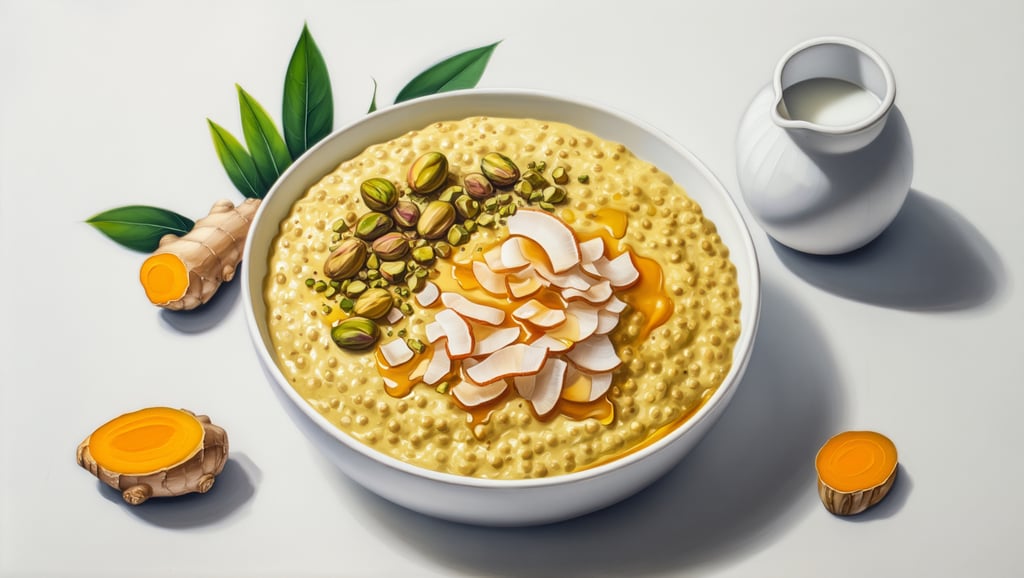
Turmeric–Ginger Millet Porridge with Coconut and Pistachio: The Sunrise of Inflammation’s Demise
A golden, fragrant awakening that combines ancient grains, anti-inflammatory botanicals, and tropical grace. This turmeric–ginger millet porridge offers warmth, depth, and an antioxidant orchestra that sings directly to your cells.
THOUGHT FOR FOODNUTRITIONRECIPESANTI-INFLAMMATORYBREAKFASTSVEGANPLANT-BASED
The Recipe
Serves: 2
Prep Time: 10 minutes
Cook Time: 25 minutes
Ingredients:
100 g (½ cup) hulled millet
400 ml (1⅔ cups) coconut milk
200 ml (¾ cup) water
1 tsp ground turmeric
½ tsp freshly grated ginger
½ tsp cinnamon
1 tbsp raw honey (optional)
Pinch of black pepper
1 tbsp chopped pistachios
1 tbsp toasted coconut flakes
Method:
Rinse millet thoroughly under cold water.
Combine millet, coconut milk, water, turmeric, ginger, and cinnamon in a saucepan. Bring to a gentle simmer.
Cook for 20–25 minutes, stirring occasionally, until creamy and thick. Add more water if needed.
Stir in honey and a pinch of black pepper to activate turmeric’s curcumin.
Serve warm, topped with pistachios and toasted coconut.
The Science of the Dish
Turmeric contains curcumin, a polyphenol known for suppressing inflammatory cytokines and enhancing antioxidant defence systems (Aggarwal et al., 2013). Ginger contributes gingerol and shogaol compounds that reduce oxidative stress and regulate immune pathways (Mashhadi et al., 2013). Millet, a gluten-free ancient grain, provides magnesium and phenolic acids that stabilise blood sugar and calm low-grade inflammation. Coconut milk offers medium-chain triglycerides (MCTs) that improve lipid metabolism and energy efficiency while supporting the gut–brain axis. Pistachios and toasted coconut add vitamin E, selenium, and beneficial plant sterols that further neutralise reactive oxygen species.
Together, these ingredients transform breakfast into a cellular spa treatment: nourishing, balancing, and quietly smug in its anti-inflammatory elegance.
Nutritional Overview
(Per Serving)
Calories: 420
Fat: 28 g
Carbohydrates: 38 g
Protein: 9 g
Fibre: 6 g
References:
Aggarwal, B. B. et al. (2013). Curcumin: The Indian Solid Gold. Advances in Experimental Medicine and Biology.
Mashhadi, N. S. et al. (2013). Anti-Oxidative and Anti-Inflammatory Effects of Ginger in Health and Physical Activity. International Journal of Preventive Medicine.
Slavin, J. L. (2013). Whole Grains and Human Health. Nutrition Research Reviews.
Artistic interpretation - details may differ from the actual.